The Unwatched Hour: Turning Football's 3pm Blind Spot Into Last-Man-Standing Edge
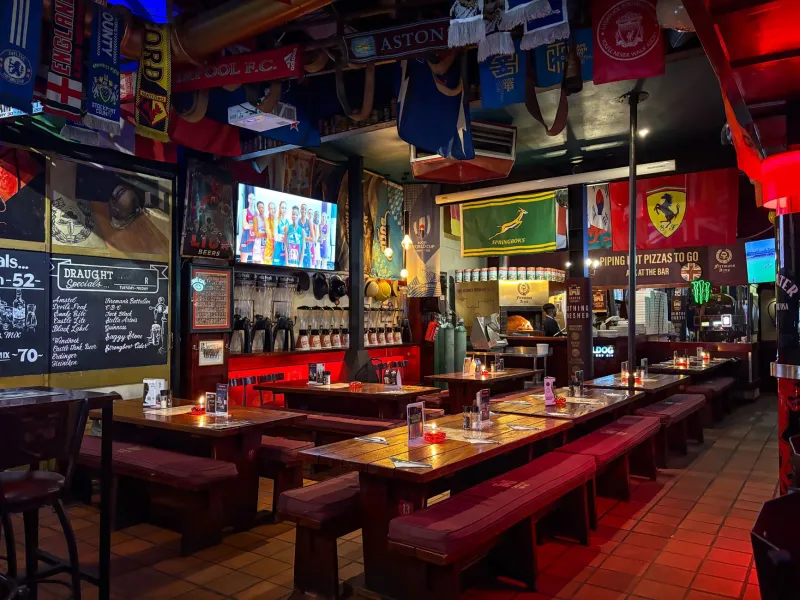
There is a strange ritual to the Saturday 3pm kick-off in Britain. The pubs fill up, the screens stay oddly quiet, and a nation refreshes the scores app like it is waiting for a hospital update. The 3pm blackout — the rule that stops live domestic football being broadcast between 2:45pm and 5:15pm on Saturdays — is either a noble defence of lower-league attendance or an infuriating relic, depending on who is buying the first round. For last-man-standing purposes, it is something else: a giant filter that hides a chunk of the fixture list from the collective consciousness of your league.
The Blackout Is a Filter, Not a Force Field
The blackout has been around since the 1960s, and whether you love it or loathe it, it does one undeniable thing: it controls what the average fan actually watches. Televised games get the build-up, the punditry, the touchscreen tactics and the group-chat hot takes. The untelevised 3pm games get a vidiprinter line and maybe a 30-second round-up after the fact. That does not make them easier to predict. It makes them less crowded. In a last-man-standing league, less crowded is valuable.
Most players gravitate towards the same fixtures. They pick from the matches they have seen, the teams they have heard discussed, the narratives that have had airtime. That is natural, but it is also why so many LMS leagues end with a whimper rather than a bang. If everyone is fishing in the same televised pond, the untelevised fixture with a proper mismatch is where you find separation. The blind spot is not a cheat code. It is an inefficiency.
Recency Bias in a Pub Garden
Your mate Dave does not have a scouting network. He has a memory of Sunday's highlights and a strong opinion about a team's body language. That is recency bias, and it is why the least-watched fixtures can be a goldmine. A side that lost 1-0 at 3pm to a deflected corner is quietly doing fine. A side that won 4-1 on television is suddenly 'back'. The table tells you something, the highlights tell you less, and the pub tells you least.
This is where the 3pm blackout shapes last-man-standing strategy more than any spreadsheet. The teams that play in the shadows are judged on results, not vibes. A scrappy away win in front of 20,000 people who are mostly thinking about the half-time pie does not generate the same noise as a televised thrashing. That means the market — and by market, I mean your league's collective opinion — can lag behind reality. The blind spot is not about knowing something nobody else knows. It is about paying attention when nobody else is.
The Goldmine and the Trapdoor
Not every 3pm game is a secret. Some are trapdoors dressed in a home shirt. The classic trapdoor is a mid-table side at home to a relegation candidate, backed because they are 'obviously better', with a manager who has spent the week talking about respecting the opposition. That is not a banker; that is a 0-0 waiting to happen.
The goldmine is usually duller. A settled home team with a clear set-piece routine against an away side that concedes chances from wide areas. No midweek European travel. No derby. No monsoon forecast. You are not looking for obscure teams for the sake of it. You are looking for overlooked matches where the mismatch is real and the noise is low.
That distinction matters. The blind spot rewards preparation and punishes laziness in equal measure. If you pick an untelevised fixture simply because nobody else in your league has mentioned it, you have not found value. You have found a different way to guess.
Four Rules for Picking in the Shadows
-
Do your own team news. If your information comes from a mate who watched a different game, it is not information. It is vibes with a pint in its hand.
-
Prefer process over narrative. Home form, set-piece threat, the opponent's shot quality, the manager's tendency to shut up shop away from home. If the only argument for a pick is 'they are due a win', walk away.
-
Treat derbies as hazard lights. A 3pm derby is the opposite of a blind-spot bargain. Form goes out the window, cards go up, and your last-man-standing pick dies in a hail of shins. There is no glory in being clever about a match that refuses to be clever.
-
Avoid the obvious crowd pick. If three people in your league mention the same fixture before you have finished your first pint, it is probably overpriced in reputation terms. You do not get bonus points for being popular. You get knocked out with everyone else.
Pub-League Commandments for the 3pm Blind Spot
- No pick may be justified by the phrase 'I just fancy them'. Fancy is for crisps.
- Anyone who selects a team because they saw a 20-second highlight reel must buy the next round if it goes wrong.
- The blackout is not an excuse to ignore the early kick-off. If your team plays at 12:30, your Saturday is already ruined by 2:15.
- A 0-0 in an untelevised game counts the same as a 4-3 in the televised one. Your league table does not award style points.
- If you cannot watch your pick, you do not get to complain about VAR. You chose the blind spot; now lie in it.
The Last Word
The 3pm blackout will not make you a genius. It just hides the games that most people cannot be bothered to research. In last-man-standing, that is an opportunity, not a guarantee. The sweetest result of the weekend is not always on television. Sometimes it is the 1-0 you saw only as a scoreline, backed by a home side nobody in your group chat mentioned.
Just do not confuse obscurity with certainty. The least-watched fixture can be a goldmine. It can also be a trapdoor with a pint in its hand. Do the homework, ignore the noise and remember the golden rule of the pub league: survival is prettier than a highlights reel.