Above the Oche: Seven Mental Traps That Will Rob You of Last-Man-Standing Glory
Last-man-standing competitions are sold as tests of darts, pool, dominoes and cards. They are not. They are tests of what happens between your ears when the pub goes quiet, your opponent starts slow-clapping, and the next missed double feels like a personal insult from the universe. The best players in UK pub leagues are not always the most talented. They are the ones who avoid the mental traps that swallow everyone else.
Here are seven psychological traps that cost people the title — and how to spot and dodge each one.
1. The Opening-Night Swagger
You win your first round 3-0, hit a checkout you had no right to attempt, and suddenly you are explaining your 'process' to anyone holding a pint. This is the swagger trap. It feels like momentum; it is usually just relief. The problem is that last-man-standing rewards consistency, not one hot leg.
Spot it: You start saying 'I'm in the zone' before the second round. Avoid it: Reset after every win. Treat the next opponent as the toughest player in the pub, even if they are holding the dart like a chip fork.
2. Tilt After a Bad Beat
Tilt is the pub-game equivalent of a red mist. It arrives after a bounce-out, a fluked black, a dominoes draw that defies physics, or a card that makes you question the dealer's ancestry. The danger is not the bad beat itself. The danger is the next three decisions you make while mentally replaying it.
Spot it: You start explaining what 'should' have happened. Avoid it: Give yourself a physical reset. Put the darts down, walk to the bar, order a soft drink, and return with no memory of the previous leg. If you cannot stop muttering, you are not ready for the next round.
3. The Copycat Pick
In some last-man-standing formats you have to make picks or selections. In others you simply watch the draw and react. Either way, copying a rival is a trap. The pub rival who looks calm and clever may be running on luck and a lucky pint. Their strategy is not yours.
Spot it: You change your plan because someone else did. Avoid it: Write your plan down before the first round and only change it if the facts change. 'Because Dave did it' is not a fact. It is a rumour with a pint.
4. Scoreboard Staring
Knowing the table is useful. Staring at it like it owes you money is not. In a long pub tournament, the maths can become a comfort blanket. You start calculating permutations instead of watching your opponent's throw. You play the table, not the game.
Spot it: You know exactly how many points you need in three rounds' time but cannot remember your own checkout. Avoid it: Check the table once between rounds. Then put your phone away and look at the board.
5. The 'I'll Peak Later' Delusion
Some players treat the early rounds like a warm-up, convinced they will flick a switch in the final. This is lovely in theory. In practice, last-man-standing is a survival format. You do not get to peak later if you are already out. Conserving energy is sensible; pretending the first hour does not matter is not.
Spot it: You are more focused on your pint than your opponent's first visit. Avoid it: Treat every round as the final. The final will take care of itself.
6. Playing Not to Lose
Once you are near the business end, fear creeps in. You start playing safe, avoiding the double, hoping your opponent misses. That is not strategy; that is surrender with extra steps. In pub games, passive play invites the very disaster you are trying to avoid.
Spot it: You are aiming for 'not missing' rather than hitting. Avoid it: Pick your target and commit. A confident miss is usually better than a frightened safety shot that leaves the door open.
7. The Pint-Fuelled Confidence Trap
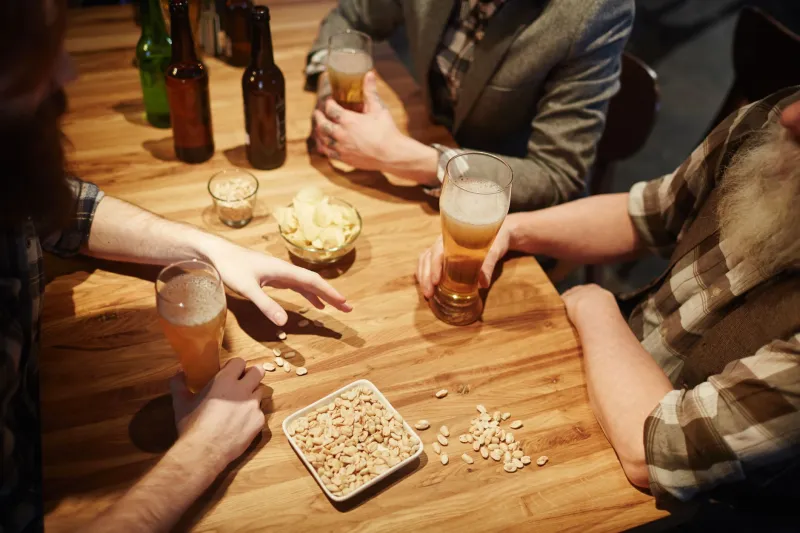
Alcohol is a wonderful social lubricant and a terrible tactical adviser. Two pints can make you feel like a legend. Four pints can make you believe you are a legend. The last-man-standing title is often lost in the gap between those two feelings.
Spot it: You start explaining the rules to the person who wrote them. Avoid it: Set a pint limit before you start. Alternate with water. Save the celebration for after the final, when the bragging rights are actually yours.
The pub title does not always go to the best player. It goes to the player who survives their own head. Avoid these seven traps, and you give yourself a fighting chance. Ignore them, and you will be the one explaining, at length, how you were robbed by the draw. Again.